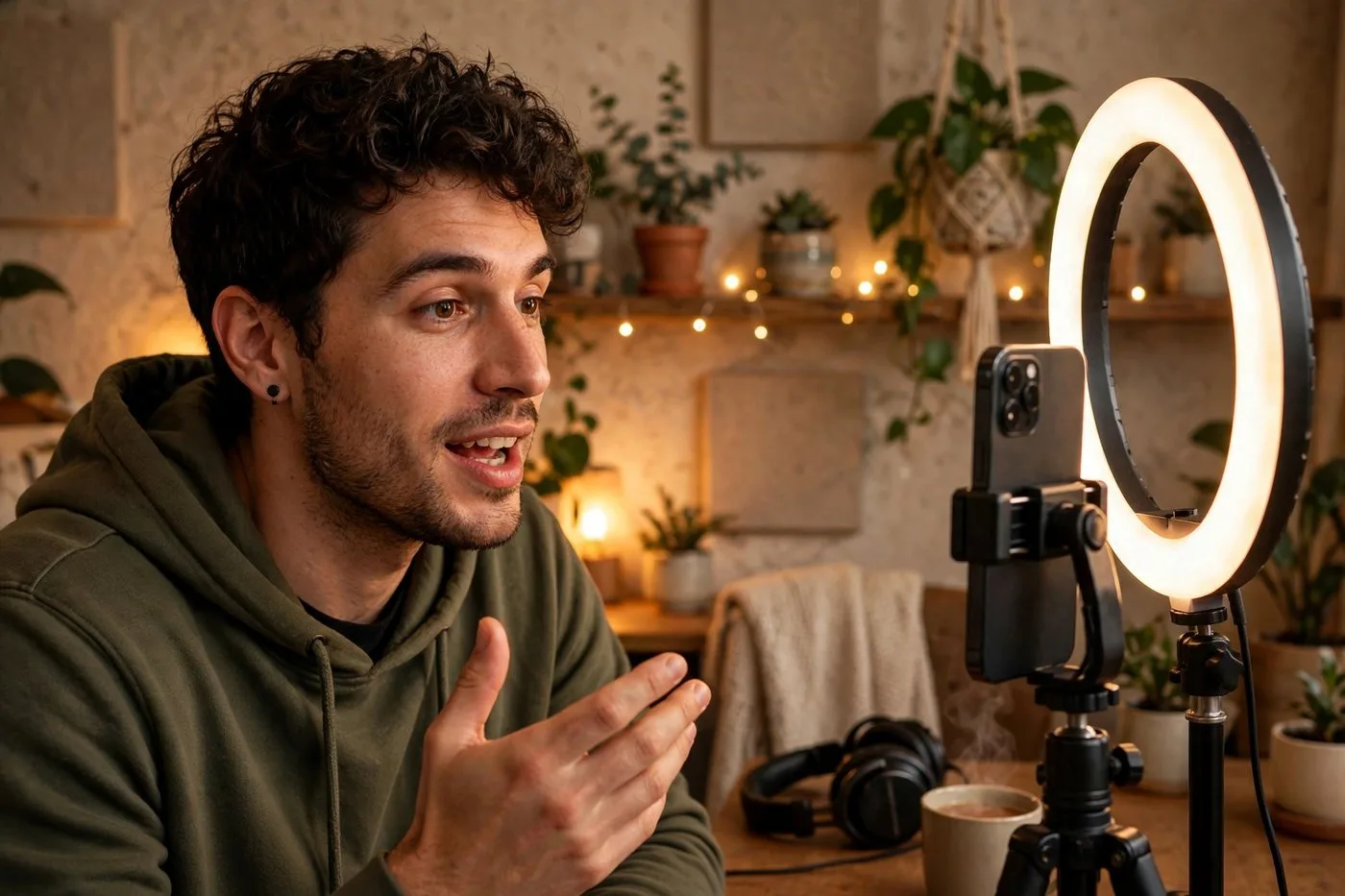
Last spring I got a comment on one of my Shorts that I couldn't read. I ran it through a translator: Portuguese. Someone saying the video was exactly what they needed, asking if I had more like it. I didn't. Not in their language. That comment sat in my head for weeks, because it meant there was a whole audience out there I was completely invisible to.
That is when I tried AI dubbing for Shorts. The pitch sounded like science fiction: upload my video, get it back with my own voice speaking Spanish, Hindi, Portuguese. I was deeply skeptical. Then I watched my own face deliver my own script in fluent Spanish, in a voice that sounded like me on a good day, and I just sat there staring at my screen.
Since then I have dubbed dozens of Shorts. Some flopped quietly. A few took off in countries I had never deliberately targeted. Here is everything I learned about AI dubbing for Shorts: how it actually works, where it shines, and the mistakes that make dubbed videos feel weird.
What AI dubbing actually does (no hype)
Strip away the marketing and it is three steps. First, the tool transcribes what you said. Then it translates the transcript. Then it synthesizes the translation back in a cloned version of your voice, synced to your lips as closely as current technology allows. That is the whole trick. No magic, just three hard problems solved well enough.
And here is what it is not: perfect. Lip-sync is close but not exact, especially on fast speech. Emotional delivery gets flattened a little in translation. Accents can drift. And it cannot fix a boring video. A dull clip in twelve languages is still a dull clip. Dubbing multiplies reach. It does not create quality out of nothing.
My rule of thumb: if the original Short held people's attention, the dub deserves a chance. If the original flopped, dubbing it is just failing in more languages.
One more honest note: the first dub I ever made was of a clip where I talked fast over background music. The result was rough, and I almost gave up on the whole idea. Then I re-recorded the same script slowly, killed the music, and the dub came back sounding like a different person made it. Slow down, clear the background noise, speak deliberately, and the AI has a fighting chance. The quality of your dub is decided before you ever upload, in how you recorded the original.
Why Shorts are the perfect format for dubbing
Dubbing a two-hour course is a project. Dubbing a 30-second Short takes minutes. The format is the ideal test lab: tiny investment per video, instant feedback from the analytics, and if a language doesn't land, you have lost almost nothing.
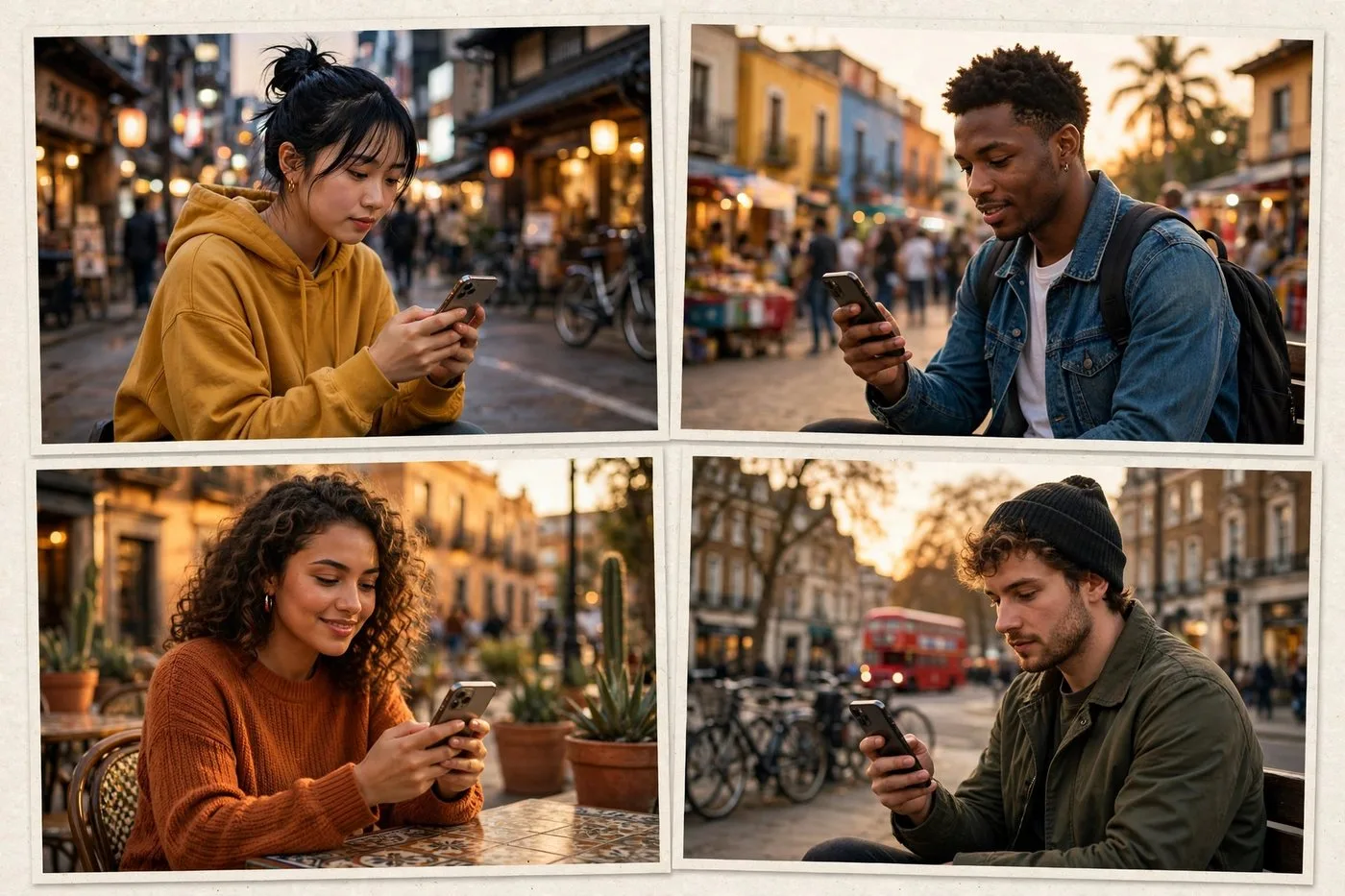
And the Shorts feed is already global whether you plan for it or not. Your video can surface in Sao Paulo or Seoul tomorrow morning. The only question is whether the person watching can understand a word of it. One clip dubbed into five languages is five lottery tickets instead of one, and the ticket price is nearly zero. Start by transforming your recording with our long video to short video workflow.
How I dub a Short, step by step
First, I do not dub everything. I pick proven winners: Shorts that already performed well in my own language. Dubbing is a multiplier, so I only multiply things that work. Dubbing an unproven clip is gambling twice on the same video.
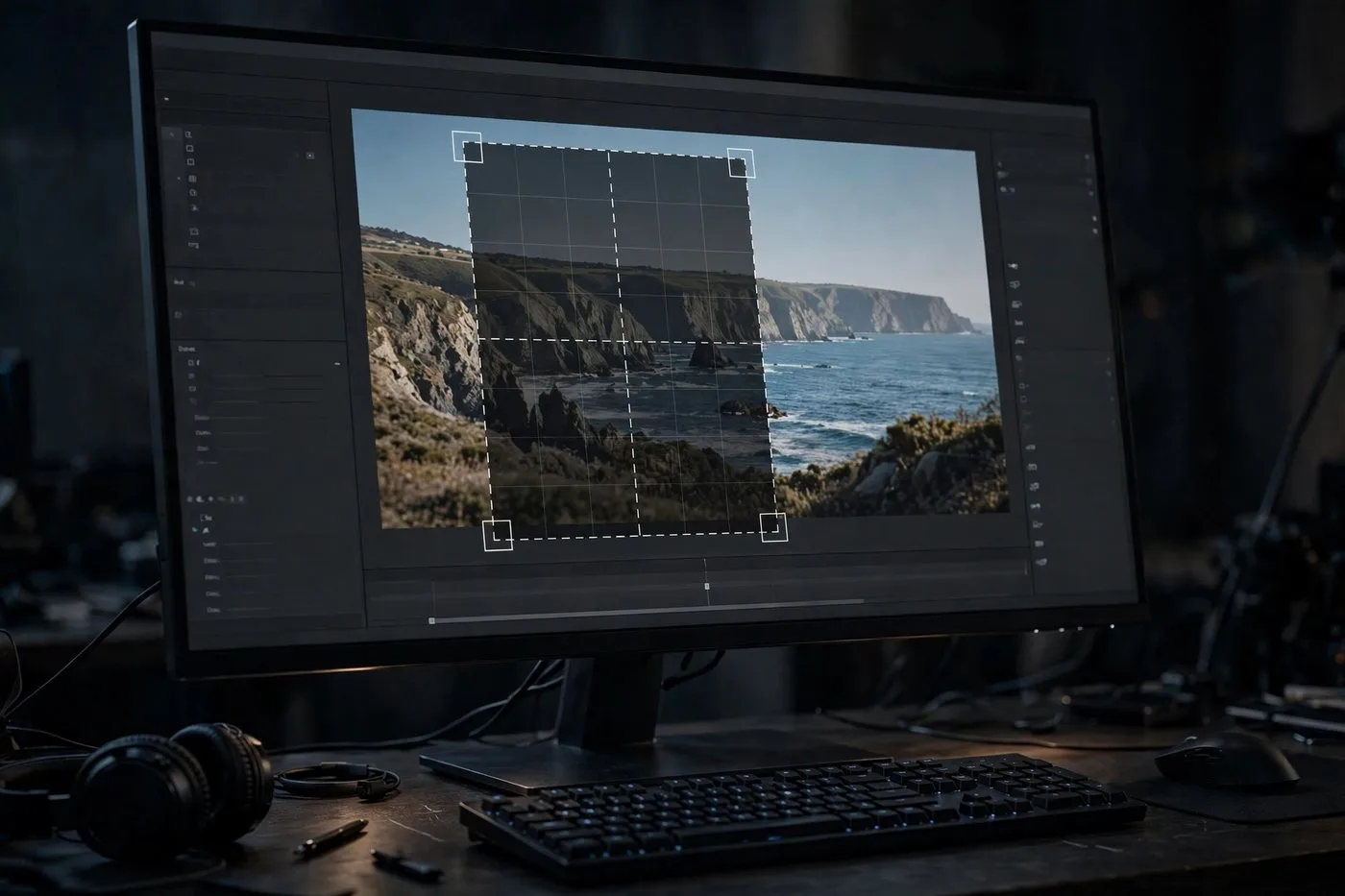
Second, I clean the audio before uploading anything. Dubbing tools transcribe your speech first, and messy audio means a messy transcript, which means a wrong translation wearing your voice. Ten minutes of noise cleanup saves hours of weirdness later. This is the step everyone skips and then complains about.
Third, I start with two or three languages, chosen from my analytics, not from vibes. Where are my viewers already coming from? Then I listen to the entire dubbed version with fresh ears before it goes anywhere. Always. The one time I skipped the review, the tool had misheard a single word and my innocent productivity tip became something deeply embarrassing in Spanish.
What translates well (and what doesn't)
Tutorials, tips, and how-tos travel beautifully across languages. Clear sentences, universal topics, visual demonstrations that carry meaning even if a word gets mangled. My best dubbed performer is a 40-second editing tip that now has more views in Spanish than it ever earned in English. I did not see that coming.
What dies in translation: wordplay, slang, sarcasm, and cultural references. If your joke needs a specific TV show from 2004 to land, it will not survive the trip. I have learned to keep sentences short and literal whenever I know a clip is dubbing-bound. Save the clever wordplay for the videos staying in one language.
And do not forget what is on the screen. A Spanish voiceover floating over English captions confuses everyone and makes the whole video feel half-finished. Translate the captions and any on-screen text too. If your dubbing tool doesn't handle on-screen text, do that part manually. I keep a checklist for caption work here: auto captions for short videos.
Which languages should you start with?
Do not start with twenty languages. Start with two or three, and let your analytics choose them instead of your gut. Open your audience geography tab: if a meaningful slice of your viewers is already in Brazil, Portuguese is your first dub, not your tenth guess.
For most creators, the big pools worth considering are Spanish, Portuguese, and Hindi. Enormous Shorts audiences, strong watch time, and relatively good dubbing quality in current tools. But your channel's data beats my generalizations every time.
And remember the depth-over-breadth rule: one dubbed language done carefully, reviewed by a human, with translated captions, beats five languages auto-published and never checked.
Mistakes that make dubbed Shorts feel off
Dubbing a clip with bad source audio. Garbage in, garbage out, except now it's garbage in every language simultaneously. Clean audio first, always.
Skipping the review because the AI is "usually fine." The word "usually" is doing an enormous amount of heavy lifting in that sentence. Listen to every dub before it goes public.
Publishing all languages at once with no plan. Stagger them instead. Watch which regions respond, learn what resonates there, then double down on the winners.
Forgetting that you now have an audience leaving comments in languages you don't speak. Have a translation workflow ready before you need it, or you will end up ignoring the exact audience you worked so hard to reach. Nothing kills a new audience faster than feeling invisible.
Try Klipya Free
Upload your next episode and turn it into Shorts in minutes. Your future listeners are scrolling right now.
Launch Klipya Studio →